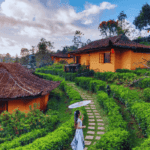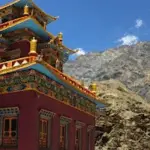
Sikkim, located in the Eastern Himalayas, is widely known for its monasteries, mountain landscapes, waterfalls, and rich cultural heritage. Beyond conventional sightseeing routes covered in a typical Sikkim group tour package, the state also offers an immersive outdoor experience through camping. Camping in Sikkim allows travelers to explore its raw terrain, pristine forests, alpine meadows, and remote valleys at a slower, more meaningful pace.
Whether planned as part of curated Sikkim group tour packages or customized Sikkim private trips, camping offers an opportunity to connect deeply with nature while respecting the region’s ecological and cultural sensitivity.
Why Camping in Sikkim Is a Unique Experience
Camping in Sikkim goes beyond affordability or adventure. It is about experiencing:
- Early mornings wrapped in Himalayan mist
- Quiet evenings beside rivers and forests
- Star-filled skies with minimal light pollution
- Diverse landscapes ranging from tea gardens to alpine zones
Unlike mainstream travel itineraries, camping-focused Sikkim private trips allow flexibility, solitude, and deeper engagement with local environments and communities.
Best Time for Camping in Sikkim
Choosing the right season is critical for a safe and enjoyable camping experience.
Spring (March to May)
- Mild temperatures
- Rhododendron forests in full bloom
- Ideal for beginner and intermediate campers
Autumn (October to November)
- Clear skies and excellent mountain visibility
- Stable weather conditions
- Peak season for trekking-based camping routes
Seasons to Avoid
- Monsoon (June to September): Landslides, leeches, and heavy rainfall
- Winter (December to February): Extreme cold and snow, suitable only for experienced campers
Most Sikkim group tour packages offering camping experiences operate during spring and autumn for safety and accessibility.
Best Camping Places in Sikkim by Region
Dzongu, North Sikkim: A Cultural and Natural Sanctuary
Dzongu is a protected region reserved for the indigenous Lepcha community and remains one of Sikkim’s least commercialized areas.
Why Camp Here
- Dense forests and river valleys
- Natural hot springs
- Strong cultural preservation
Recommended Camping Areas
- Lingdem Village (riverside camping and homestays)
- Pentong and Tingvong (guided forest camping)
Important Information
- Special permits required
- Limited mobile connectivity
- Respect for local customs is mandatory
Dzongu is best explored through responsible Sikkim private trips due to permit requirements and local sensitivities.
Goechala Trek Route, West Sikkim: Alpine Camping Experience
The Goechala trail is one of the most iconic trekking routes in the Eastern Himalayas.
Key Camping Locations
- Tshoka
- Dzongri
- Thansing and Lamuney
Permits and Regulations
- Inner Line Permit (ILP)
- Forest Department clearance
- Mandatory local guide and porter
Most travelers experience this route through trekking-inclusive Sikkim group tour packages, which manage logistics, safety, and permits efficiently.
Khecheopalri Lake Region, West Sikkim: Spiritual and Scenic
Khecheopalri Lake is sacred to both Buddhists and Hindus. Camping is restricted near the lake itself, but surrounding areas offer peaceful alternatives.
Where to Camp
- Forest clearings along Yuksom–Khecheopalri trail
- Homestays allowing tent pitching
This region suits travelers seeking calm, spiritual environments as part of slow-paced Sikkim private trips.
Zuluk and Gnathang Valley, East Sikkim: Old Silk Route Camping
Located along the historic Silk Route, this region offers dramatic landscapes and high-altitude camping.
Best Camping Areas
- Gnathang Valley
- Kupup Lake surroundings
Permit Information
- Protected Area Permit (PAP) required
- Indian nationals only
Due to restricted access, Zuluk camping is usually included only in specialized Sikkim group tour packages.
Maenam Wildlife Sanctuary, South Sikkim: Forest Camping
Ideal for forest lovers and birdwatchers, Maenam offers dense vegetation and diverse wildlife.
Camping Access
- Trek from Ravangla to Maenam Top
- Camping allowed at Maenam Hut with permit
This region is suitable for experienced campers and eco-focused Sikkim private trips.
Temi Tea Garden, South Sikkim: Beginner-Friendly Camping
Temi Tea Garden is Sikkim’s only tea estate and offers gentle terrain for relaxed camping.
Why Choose Temi
- Easy accessibility
- Family-friendly environment
- Scenic sunrise views
Often added as a leisure stop in relaxed Sikkim group tour packages, Temi is ideal for first-time campers.
What to Pack for Camping in Sikkim
Essential items include:
- Waterproof tent and insulated sleeping bag
- Thermal clothing and layered outerwear
- Rain protection and trekking shoes
- Headlamp or torch with spare batteries
- Water purification system
- First-aid kit and altitude medication
- Dry snacks and power bank
- Copies of permits and ID proof
Packing correctly is crucial, especially for high-altitude camping routes included in Sikkim private trips.
Permits Required for Camping in Sikkim
- Inner Line Permit (ILP): Mandatory for most regions
- Protected Area Permit (PAP): Required for East and North Sikkim
- Forest and Trekking Permits: Needed for Goechala, Maenam, and similar zones
Most organized Sikkim group tour packages handle these permissions, while independent travelers must arrange them in advance.
Responsible Camping Guidelines
- Follow Leave No Trace principles
- Avoid plastic and non-biodegradable waste
- Respect wildlife and local traditions
- Do not camp near sacred sites without permission
- Use eco-friendly personal products
Sikkim enforces strict environmental regulations, making responsible travel essential.
Conclusion
Camping in Sikkim is not just an alternative to hotels—it is an experience rooted in nature, culture, and sustainability. From alpine meadows to forest trails, each camping location offers a distinct perspective of the Himalayas.
Whether included within a well-planned Sikkim group tour package or explored through customized Sikkim private trips, camping allows travelers to slow down and engage with Sikkim in its purest form. Proper planning, respect for regulations, and mindful travel ensure that this experience remains rewarding and sustainable for years to come.
Author - Jay
Jay is a passionate traveler and a Digital Marketer, The digital marketer traveler embarks on journeys to explore new cultures, seeking inspiration for creative online campaigns that resonate with diverse audiences worldwide
Dandeli Tour Packages, Munnar Tour Packages, Gokarna Murudeshwar Honnavar Tour, Kodiakanal Tour Packages , Kotagiri and Conoor Tour Packages, Coorg Tour Packages, Ooty Tour packages, Wayand Tour Packages, Chikmagalur 2 days tour packages, Agumbe Tour Packages, Malvan Scuba Diving, Coorg Long Weekend Tour Packages, Mulki Kayaking Packages,
Rama Devara Betta Trek, Revanna Siddeshwara Betta Trek, Nijagal Betta Sunrise Trek, Kudremukh Trek Booking, Kodachadri Trek Package, Kumaraparvatha Trekking, Gudibande fort Trek, Narasimha Parvatha Trek, Kollu Arasinagundi Waterfalls Trek, Makalidurga Day Trek,
Kunti Betta Trek, Coorg Tadiandamol Trek, Uttari Betta Trek, Bheemanakindi Trek, Ballalarayana Durga and Bandaje Waterfalls Trek, Madhugiri Trek, Kodaikanal Tour Package, Gokarna Beach Trek, Netravati Trek From Bangalore, Dudhsagar Trek Package, Gandikota Hike and Camping
North East Tour Packages
Meghalaya tour packages
Meghalaya trips from Bangalore | Meghalaya tour from Mumbai | Meghalaya packages from Hyderabad | Meghalaya Tawang tour package | Meghalaya group trip without trekking | 4 days Meghalaya private trip | 6 days Meghalaya private tour | Meghalaya Kaziranga 7 day trip | Meghalaya monsoon travel package | Meghalaya Kaziranga combo tour | Meghalaya family trip without trekking | Meghalaya private trip for couples and groups | Meghalaya backpacking trip 6 days | Meghalaya solo and group travel package | Meghalaya Wari Chora canyon trip | Kaziranga safari booking
Nagaland tour packages
Nagaland trips from Bangalore | Nagaland tour packages from Hyderabad | Nagaland travel packages from Mumbai | Nagaland Mon Longwa private trip | Nagaland Phek Pfutsero private tour | Nagaland Dzükou Valley private trip | Hornbill Festival with Dzükou Valley trek | Dzükou Valley trek Nagaland backpacking
Sikkim tour packages
Sikkim tour packages from Mumbai | Sikkim trips from Hyderabad | Sikkim travel packages from Bangalore | Sikkim Darjeeling private trip | Sikkim Darjeeling group tour 6D 5N | Sikkim Darjeeling full circuit private tour | Sikkim backpacking trip Gangtok Pelling | Sikkim private trip for couples and family | Sikkim group trip Gangtok Lachen Lachung | Gangtok Darjeeling private trip | Silk Route Sikkim private trip | Darjeeling private tour package | Sikkim Pelling Ravangla private trip 6D 5N
Tawang
Tawang Tour Package | Tawang Private Trip
International Trips
Thailand Bangkok Pattaya Phuket Krabi full moon trip | Thailand full moon party Phuket Krabi backpacking | Vietnam group trip for solo couples and friends | best of Vietnam Hanoi Halong Bay Ninh Binh trip | Vietnam Hanoi Halong Bay private tour package | Thailand Bangkok Pattaya private trip | Thailand Bangkok Pattaya Phuket private tour