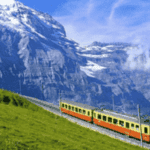
Spiti Valley is a high-altitude cold desert located in the Lahaul and Spiti district of Himachal Pradesh. Surrounded by the Greater Himalayas, the valley is known for its dramatic landscapes, ancient Buddhist monasteries, remote villages, and untouched natural beauty.
Situated at elevations ranging from 3,000 to over 4,500 meters, Spiti offers a rare combination of spiritual heritage, adventure, and raw Himalayan terrain. Due to its extreme geography and limited accessibility, Spiti remains less commercialized, making it a preferred destination for travelers seeking offbeat experiences.
This guide covers the top places to visit in Spiti Valley, helping travelers plan a well-structured itinerary or choose the right Spiti tour package based on interests, season, and travel duration.
Top Places to Visit in Spiti Valley
1. Kaza – Base Town of Spiti Valley
Kaza is the administrative headquarters and the most important town in Spiti Valley. It serves as the primary base for travelers exploring nearby villages, monasteries, and trekking routes.
Why Kaza is important
- Central location for sightseeing
- Availability of hotels, homestays, fuel stations, and medical facilities
- Local markets and cafes
Most Spiti tour packages include Kaza as a mandatory stop due to its connectivity and infrastructure.
2. Key Monastery (Ki Gompa)
Key Monastery is the largest and most iconic monastery in Spiti Valley, located at an altitude of approximately 4,166 meters.
Key facts
- Founded in the 11th century
- Major center of Buddhist learning
- Houses ancient manuscripts, murals, and thangkas
The monastery offers panoramic views of the Spiti River and surrounding mountains and is a key highlight in almost every Spiti tour package.
3. Tabo Monastery
Tabo Monastery is one of the oldest functioning Buddhist monasteries in India, established in 996 AD.
Why Tabo is significant
- Over 1,000 years old
- Known as the “Ajanta of the Himalayas”
- Features well-preserved murals and clay sculptures
Tabo is both a spiritual center and an important historical site in Spiti Valley.
4. Dhankar Monastery and Dhankar Village
Dhankar Monastery is dramatically perched on a cliff overlooking the confluence of the Spiti and Pin rivers.
Key highlights
- One of the oldest monasteries in the region
- Unique cliff-top architecture
- Close to Dhankar Lake trek
Dhankar offers insight into early Tibetan Buddhist settlements in Spiti.
5. Chandratal Lake
Chandratal Lake, also known as Moon Lake, is one of the most scenic high-altitude lakes in the Himalayas.
Why Chandratal is popular
- Crescent-shaped alpine lake
- Located at approx. 4,300 meters
- Popular for camping and stargazing
Access is seasonal and usually included in summer-focused Spiti tour packages.
6. Pin Valley National Park
Pin Valley National Park is a protected cold desert ecosystem known for its unique wildlife and landscapes.
What makes it special
- Habitat of the snow leopard, ibex, and red fox
- Less crowded than other Himalayan parks
- Gateway to Pin Valley villages
Nature lovers and trekkers often include Pin Valley in extended Spiti itineraries.
7. Mudh Village (Pin Valley)
Mudh is the last motorable village in Pin Valley and a starting point for several treks.
Why visit Mudh
- Lush green fields contrasting Spiti’s barren terrain
- Traditional Spitian homes
- Trekking routes towards Pin-Parvati Pass
Mudh provides a quieter and more authentic village experience.
8. Hikkim Village – World’s Highest Post Office
Hikkim is globally known for hosting the highest post office in the world.
Key attractions
- Send postcards from extreme altitude
- Interact with local residents
- Scenic mountain views
Hikkim is frequently combined with nearby villages in Spiti tour packages.
9. Komik Village
Komik is one of the highest permanently inhabited villages in the world.
Why Komik stands out
- Traditional stone houses
- Remote high-altitude setting
- Home to Komic Monastery
The village offers a glimpse into daily life in extreme Himalayan conditions.
10. Langza Village
Langza is famous for its fossil-rich landscape, indicating Spiti’s ancient marine history.
Things to see
- Marine fossils embedded in rocks
- Giant Buddha statue overlooking the valley
- Expansive mountain views
Langza is a must-visit for travelers interested in geology and local culture.
11. Losar Village
Losar is the first village encountered when entering Spiti from Kunzum Pass.
Why Losar is important
- Cultural gateway to Spiti Valley
- Celebrates the Losar Festival (Tibetan New Year)
- Scenic stopover for acclimatization
12. Nako Village and Nako Lake
Nako is a serene village located near the Indo-Tibetan border.
Key highlights
- Nako Lake surrounded by willow trees
- Ancient temples and stupas
- Peaceful village atmosphere
Nako is often included in Spiti tour packages entering via Shimla.
Best Time to Visit Spiti Valley
| Season | Months | Travel Conditions |
|---|---|---|
| Summer | May to September | Best time, roads open |
| Winter | October to April | Extremely cold, limited access |
Most Spiti tour packages operate between June and September due to road accessibility.
Conclusion
Spiti Valley is a destination defined by its remoteness, spiritual depth, and dramatic Himalayan landscapes. From ancient monasteries and high-altitude lakes to fossil-rich villages and wildlife reserves, Spiti offers a deeply enriching travel experience.
Whether traveling independently or choosing a curated Spiti tour package, understanding the key places to visit helps travelers plan a safe, meaningful, and well-paced journey through one of India’s most extraordinary regions.
Author - Jay
Jay is a passionate traveler and a Digital Marketer, The digital marketer traveler embarks on journeys to explore new cultures, seeking inspiration for creative online campaigns that resonate with diverse audiences worldwide
Dandeli Tour Packages, Munnar Tour Packages, Gokarna Murudeshwar Honnavar Tour, Kodiakanal Tour Packages , Kotagiri and Conoor Tour Packages, Coorg Tour Packages, Ooty Tour packages, Wayand Tour Packages, Chikmagalur 2 days tour packages, Agumbe Tour Packages, Malvan Scuba Diving, Coorg Long Weekend Tour Packages, Mulki Kayaking Packages.
Rama Devara Betta Trek, Revanna Siddeshwara Betta Trek, Nijagal Betta Sunrise Trek, Kudremukh Trek Booking, Kodachadri Trek Package, Kumaraparvatha Trekking, Gudibande fort Trek, Narasimha Parvatha Trek, Kollu Arasinagundi Waterfalls Trek, Makalidurga Day Trek,
Kunti Betta Trek, Coorg Tadiandamol Trek, Uttari Betta Trek, Bheemanakindi Trek, Ballalarayana Durga and Bandaje Waterfalls Trek, Madhugiri Trek, Kodaikanal Tour Package, Gokarna Beach Trek, Netravati Trek From Bangalore, Dudhsagar Trek Package, Gandikota Hike and Camping
North East Tour Packages
Meghalaya tour packages
Meghalaya trips from Bangalore | Meghalaya tour from Mumbai | Meghalaya packages from Hyderabad | Meghalaya Tawang tour package | Meghalaya group trip without trekking | 4 days Meghalaya private trip | 6 days Meghalaya private tour | Meghalaya Kaziranga 7 day trip | Meghalaya monsoon travel package | Meghalaya Kaziranga combo tour | Meghalaya family trip without trekking | Meghalaya private trip for couples and groups | Meghalaya backpacking trip 6 days | Meghalaya solo and group travel package | Meghalaya Wari Chora canyon trip | Kaziranga safari booking
Nagaland tour packages
Nagaland trips from Bangalore | Nagaland tour packages from Hyderabad | Nagaland travel packages from Mumbai | Nagaland Mon Longwa private trip | Nagaland Phek Pfutsero private tour | Nagaland Dzükou Valley private trip | Hornbill Festival with Dzükou Valley trek | Dzükou Valley trek Nagaland backpacking
Sikkim tour packages
Sikkim tour packages from Mumbai | Sikkim trips from Hyderabad | Sikkim travel packages from Bangalore | Sikkim Darjeeling private trip | Sikkim Darjeeling group tour 6D 5N | Sikkim Darjeeling full circuit private tour | Sikkim backpacking trip Gangtok Pelling | Sikkim private trip for couples and family | Sikkim group trip Gangtok Lachen Lachung | Gangtok Darjeeling private trip | Silk Route Sikkim private trip | Darjeeling private tour package | Sikkim Pelling Ravangla private trip 6D 5N
Tawang
Tawang Tour Package | Tawang Private Trip
International Trips
Thailand Bangkok Pattaya Phuket Krabi full moon trip | Thailand full moon party Phuket Krabi backpacking | Vietnam group trip for solo couples and friends | best of Vietnam Hanoi Halong Bay Ninh Binh trip | Vietnam Hanoi Halong Bay private tour package | Thailand Bangkok Pattaya private trip | Thailand Bangkok Pattaya Phuket private tour